By Dr. Mili Roy, Ophthalmologist and Chair of CAPE Ontario
After an intense couple of weeks at COP29 in Azerbaijan, there’s a lot to unpack. The events — and the lack of progress in critical negotiations — are seismic in their implications for our collective future.
The first glimpse of the sprawling conference center in Baku, bustling with delegates from every corner of the globe, was both thrilling and daunting. As a first-time attendee, I had the privilege of representing the Canadian Association of Physicians for the Environment (CAPE) with formal UN observer accreditation.
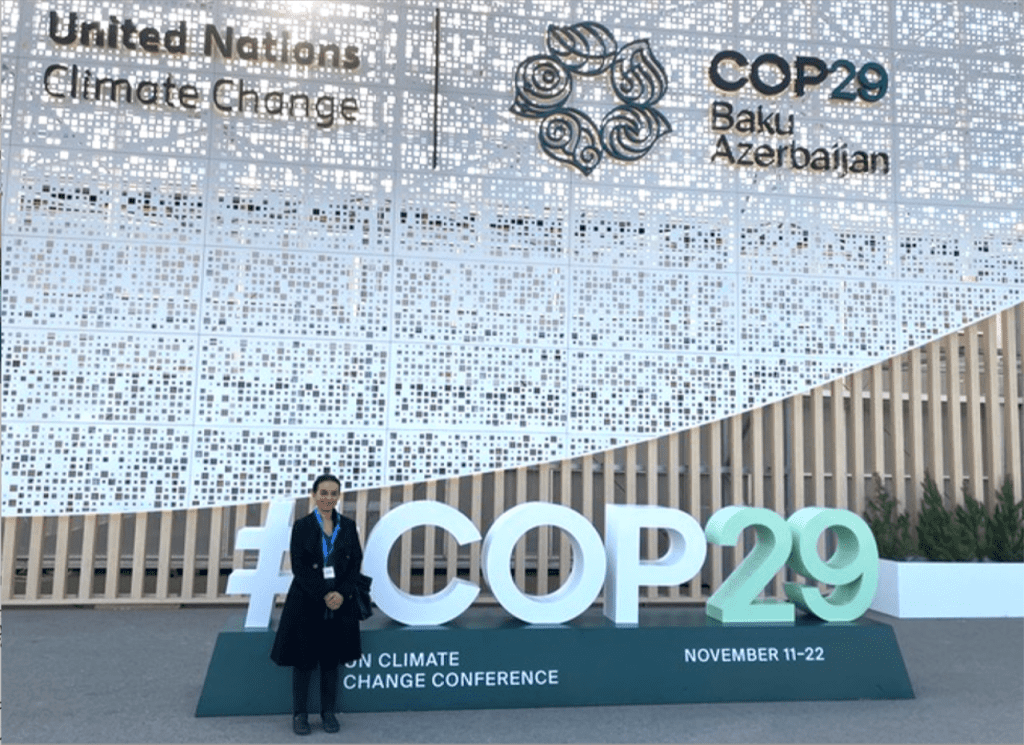
From the outset, it was clear that being an observer at COP is anything but passive. It requires strategic navigation of sprawling venues, engagement with negotiators, and amplifying the voice of civil society. COP29 was no exception — it was controversial, disappointing, and deeply challenging, unfolding against a backdrop of urgency that demanded far more from the global community.
COP29: Hosted by a Petrostate and Shadowed by Authoritarianism
For the third consecutive year, COP was hosted by a petrostate — this time Azerbaijan, where vast oil fields and actively pumping wells provided stark, daily reminders of the fossil fuel industry’s stranglehold on global energy.
The Azerbaijani government’s proclamation of oil and gas as a “gift from God” was emblematic of the disconnect between the host’s priorities and the urgent mission of the conference, raising broader questions about the credibility of COP as a platform for genuine climate progress.
Further complicating matters, the authoritarian regime’s suppression of local journalists and activists cast a long shadow over the proceedings. The customary massive march of civil society participants was disallowed, forcing an indoor protest with no chanting or clapping — only humming and snapping fingers as signs of dissent.
Amidst this backdrop, at least 1,773 fossil fuel lobbyists, including several Canadians, infiltrated COP29. They actively promoted disinformation and solicited fossil fuel business deals — some of which were documented at the Canada Pavilion. Meanwhile, the looming U.S. election added another layer of uncertainty, dampening hopes for bold commitments.
A “Finance COP” That Failed to Deliver
Dubbed the “finance COP,” COP29 was expected to secure significant commitments to climate finance. The $1.3 trillion annual demand from the Global South highlighted the immense disparity in resources needed versus those pledged, underscoring the urgent need for transformative financial solutions.
Countries of the Global South called for at least $1.3 trillion annually, but wealthy nations, including Canada, committed only $300 billion — a grossly inadequate figure. The distinction between grants and loans remained vague, further exacerbating the debt burdens of developing nations already grappling with climate impacts.
Saudi Arabia, speaking for the Arab group, successfully erased “fossil fuels” from the negotiating text — a shocking step backward after last year’s pivotal victory at COP28 when the world committed to “transitioning away from fossil fuels”.
Negotiations around the Mitigation Work Programme — focused on reducing global greenhouse gas emissions — also stalled, with the Presidency declining to produce a “Cover Decision” text to guide political messaging.
Local Leadership Shines Amidst Global Stagnation
Despite the lack of progress at the negotiating table, there were glimmers of hope in the form of innovative initiatives. These efforts demonstrated how local and regional actors are stepping up to fill the leadership vacuum left by stalled global negotiations. Many sessions emphasized the power of local and municipal actions to drive significant change. Cities contribute about 70% of global emissions, making their involvement in Nationally Determined Contributions (NDCs) critical. Quebec’s model — where cities propose initiatives for provincial support — was highlighted as a success story. Similarly, the European Committee of the Regions showcased how coalitions of mayors are leading local climate action across Europe.
CAPE’s Contributions: Advocating for Health-Centered Climate Action
CAPE leveraged its observer status to advocate for science-based, health-centred climate action, which was well-received by global health leaders and drew attention to the critical role of physicians in climate advocacy. Key discussions sparked meaningful dialogue about integrating health into future climate negotiations. Key contributions included:
CAPE met directly with Canada’s government negotiating team, emphasizing the health case for urgent climate action. We called for evidence-based content to be the standard for Canada’s badge holders at future COPs.
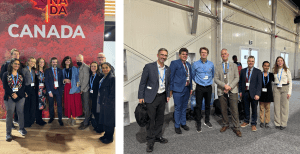
We documented and reported instances of fossil fuel solicitation and disinformation, proposing solutions inspired by CAPE’s fossil fuel ad ban campaign.
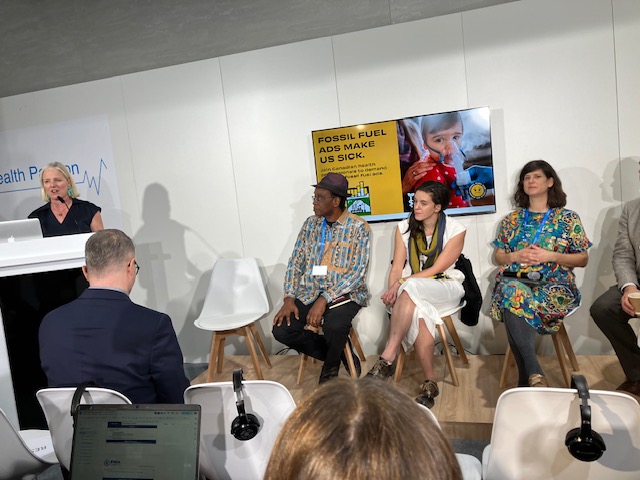
CAPE worked alongside the World Health Organization (WHO) on panels and events, discussing the potential for a global campaign countering fossil fuels to protect human health. The WHO’s support for positioning health as central to climate action aligns with CAPE’s mission.
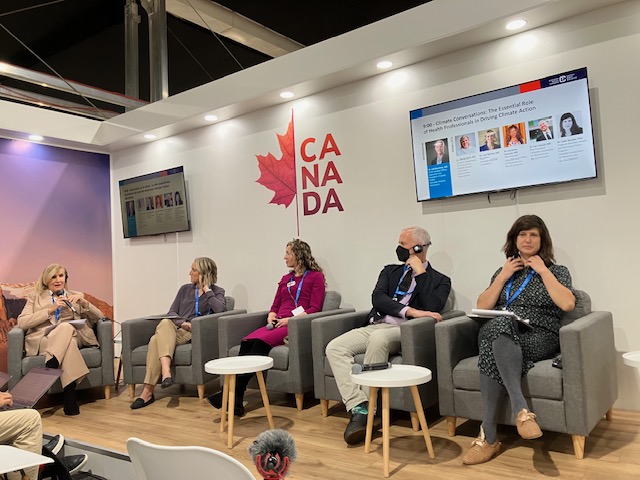
CAPE convened a high-profile press conference to call out the pervasive presence of fossil fuel lobbyists at COP29, generating international media coverage.
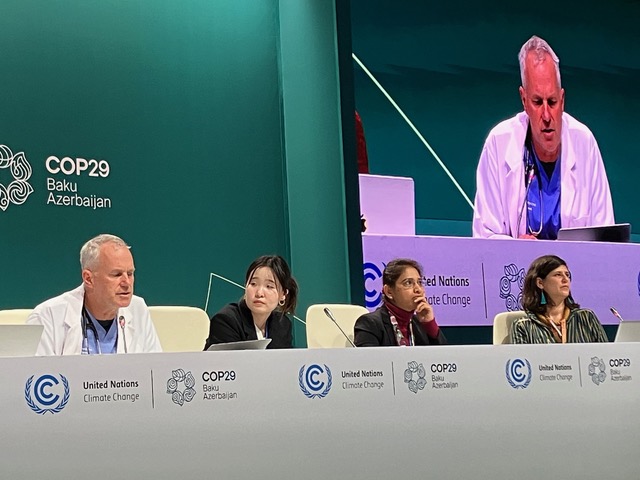
We continued to generate press after COP with multiple published Op-Eds, including “We need to treat fossil fuels like Big Tobacco”
Personal Highlights: Inspiration and Collaboration
As a CAPE delegate, I was privileged to witness the signing of the Letter of Intent for the Baku COP Presidencies Continuity Coalition for Climate and Health — a milestone embedding health as a core feature of future COPs.
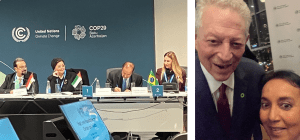
Meeting former U.S. Vice President Al Gore at a Climate Reality event was another unforgettable moment; his inspiring address reminded us of the stakes and the possibilities.
Collaboration with the Canadian Medical Association (CMA), the WHO, and international medical students underscored the power of collective action. Dr. Maria Neira of the WHO commended CAPE as a global leader, urging us to inspire physicians worldwide to self-organize for climate advocacy. CAPE-led panels featuring Catherine McKenna, Dr. Joss Reimer, and Dr. Joe Vipond further amplified our voices.
I’m deeply grateful for the opportunity to learn from my experienced CAPE colleagues, who navigated the complexities of COP with expertise, persistence, and a commitment to making every moment count.
The Path Forward: Civil Society’s Role
Despite its flaws, COP remains the world’s largest forum for global climate cooperation. It’s where governments, NGOs, and civil society converge to push for solutions. CAPE’s presence at COP29 reinforced the critical role of health professionals in advocating for bold climate policies. We need massive public awareness to hold governments and corporations accountable. The voice of civil society has never been more essential.
As we look ahead, let’s build on the momentum of local leadership, health-centered advocacy, and global collaboration. The stakes have never been higher, but the possibilities for change remain within our grasp.