The air we breathe is a shared resource, and in many ways each breath we take connects us to people across Canada
Opinion | By Julia Sawatzky | May 7, 2025 | Published in the Hill Times
“It’s never been this bad before,” a patient told me, in between rounds of inhaled treatments for a severe asthma attack. During my time working as a resident doctor in Alberta’s oilsands region, I realized that I was seeing more patients with acute asthma than I would at my usual job in Edmonton. Many patients relayed concerns similar to this patient’s: that the community’s breathing troubles have been getting worse. With plumes of pollution from the oilsands dotting the horizon, I couldn’t help but wonder if the very air we were breathing was part of that story.
Following the recent federal election, Canadians will look to the Liberals to make good on promises to protect nature, biodiversity, and water; and kickstart the transition to clean energy. The first Tuesday of May marked World Asthma Day, and I was reminded that for the almost half a million Albertans with asthma, action in these policy domains is more urgent than ever.
In Alberta overall, the incidence of asthma has increased approximately 1.5 times since 2009, and it is estimated that 464,000 Albertans suffer from this chronic illness. When I visited the most recent Primary Health Care Community Profile for the Wood Buffalo area more specifically, I learned that rates of emergency room (ER) visits for asthma in this region are approximately double what they are in the rest of the province: 410.3 versus 195.3 per 100,000 people.
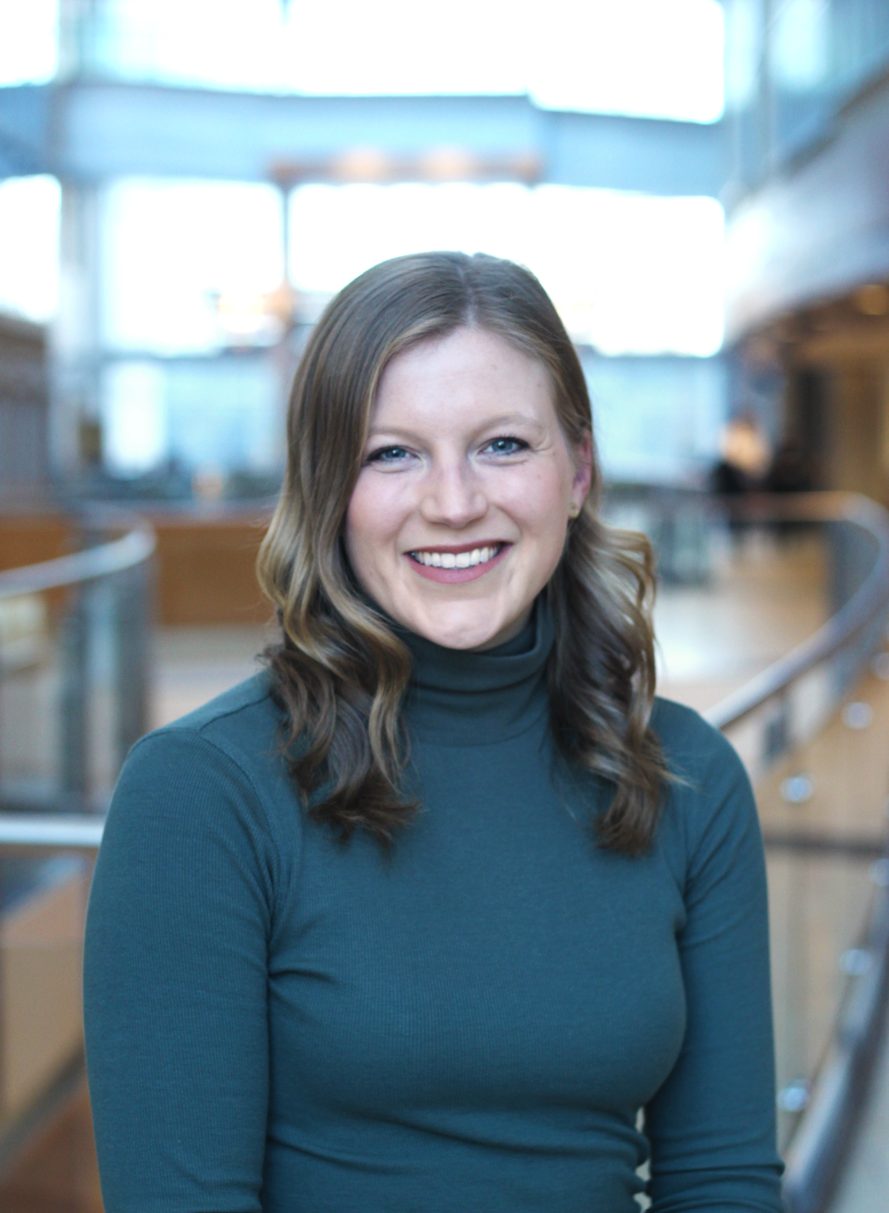
Dr. Julia Sawatzky is an emergency medicine resident physician based in Edmonton, Alta., and co-chair of the Canadian Association of Physicians for the Environment Alberta chapter. Handout photograph
In the medical literature, it has long been established that air pollution contributes to both asthma development, and acute asthma attacks. The rates of ER visits related to asthma could be higher in this region for a number of other reasons, including limited access to primary care in rural and remote communities, and the truth is likely multifactorial. Still, the disparities revealed by the ER data is striking and demands attention. While acute asthma exacerbations—often related to deforestation and wildfires—can be critical and life threatening, asthma is also a chronic disease with profound day-to-day impacts on quality of life.
The Regional Municipality of Wood Buffalo exists within Treaty 8 territory, which is home to 39 First Nations in Alberta—approximately 40,000 people—who are disproportionately affected by the environmental harms of oil sands pollution. Fort McKay First Nation, for example, is surrounded on three sides by oilsands development and some industrial operations are located as close as four kilometres from the community itself. When we examine the systemic underreporting of air pollution from oilsands operations and what is known about air pollution and health, it is not hard to imagine how communities living so close to industrial sites would face serious respiratory issues. The heavy burden of these harms shouldered by Indigenous communities makes this an issue not only of health equity, but of environmental racism.
A 2024 study published in Science found that air pollution from the Athabasca oilsands is at least 2,000 per cent higher than industry-reported figures. This is concerning not only because of the vast amount of air pollution this represents, but also because of the staggering failure of industry and regulatory bodies to equip people in Alberta with the truth about risks to their health. Moreover, this constitutes a clear violation of the Community Right to Know under the Canadian Environmental Protection Act.
The air we breathe is a shared resource, and in many ways each breath we take connects us to people across Canada. Air—like water—knows no boundaries. As the federal government lays down “big picture” plans for national environmental policy, areas like the Wood Buffalo region cannot be forgotten and excluded. Each patient arriving in the ER gasping for breath should underscore the urgency of addressing air emissions underreporting and actualizing the federal government’s previous promises to support rigorous investigation of environmental health risks in impacted communities.
Dr. Julia Sawatzky is an emergency medicine resident physician based in Edmonton, Alta., and co-chair of the Canadian Association of Physicians for the Environment Alberta chapter.