Canada is deciding whether and how to regulate a class of toxic substances known as PFAS (polyfluoroalkyl substances), more commonly known as ‘forever chemicals.’
By Dr. Lyndia Dernis, Jane McArthur | July 2, 2025 | Originally published in the Hill Times
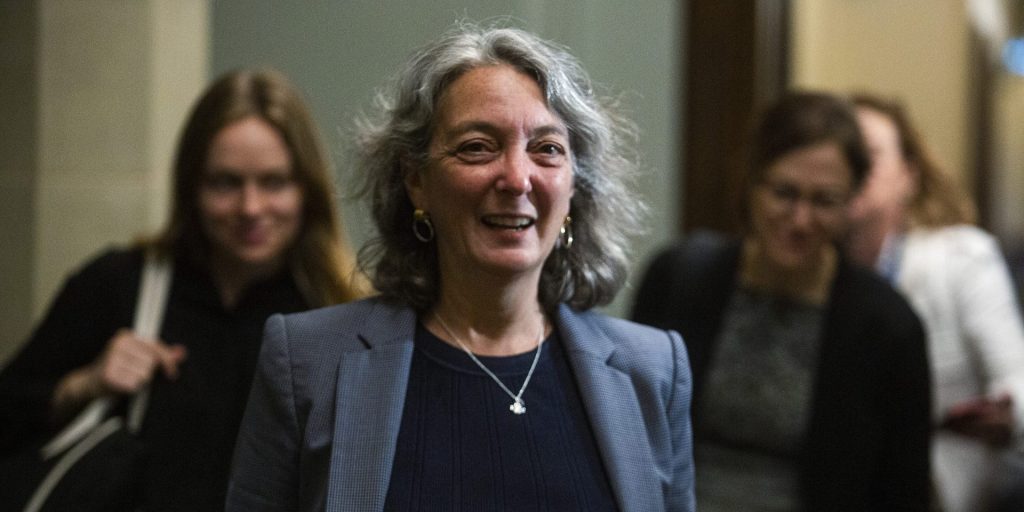 Environment Minister Julie Dabrusin. PFAS are a test of whether our laws and political systems can finally prioritize human health over harmful products and outdated industry practices, write Dr. Lyndia Dernis and Dr. Jane McArthur. The Hill Times photograph by Andrew Meade
Toxic substances like PFAS are putting Canada’s environmental rights to the test. We will fail that test unless the Canadian Environmental Protection Act is implemented with urgency and justice.
When Canada passed Bill S-5 in June 2023, it made history. For the first time, the federal government formally recognized that every person in Canada has the legal right to a healthy environment. This moment was decades in the making, and a hard-won victory for environmental health and justice advocates. The Canadian Environmental Protection Act (CEPA) now includes guiding principles like environmental justice, intergenerational equity, and the need to consider cumulative toxic exposures. It felt like Canada was finally catching up to what we’ve long known: there is no health without environmental health.
But rights don’t enforce themselves. And this one is already being tested.
Right now, Canada is deciding whether and how to regulate a class of toxic substances known as PFAS (polyfluoroalkyl substances), more commonly known as “forever chemicals.” These synthetic compounds, found in everything from waterproof clothing to food wrappers to firefighting foam, are shockingly persistent. They don’t break down in nature, and they accumulate in our bodies. They’re linked to serious health harms including cancer, infertility, immune system suppression, thyroid disorders, and developmental effects in children.

Dr. Lyndia Dernis is an anesthetist at St. Mary’s Hospital in Montreal, and a member of CAPE’s Quebec committee.Handout photograph
According to federal government research, 98.5% of people in Canada have PFAS in their blood. Yes, these chemicals are everywhere: in our drinking water, household dust, food, and consumer products. Not everyone is exposed equally nor protected equally. Northern Indigenous communities, firefighters, pregnant people, and children are disproportionately impacted. This isn’t just a health crisis; it’s a toxic injustice.

Dr. Jane McArthur is the toxics program director at CAPE.
As physicians and advocates for the prevention of toxic exposures, we see the long shadow of toxics on human health every day. We know that the cost of inaction is measured in chronic disease, missed diagnoses, lost pregnancies, and shortened lives. The right to a healthy environment must live not just in law books, but in people’s lungs, bloodstreams, and futures.
Today, the Canadian Association for Physicians for the Environment (CAPE) is calling on the federal government to finalize the listing of PFAS as a class under CEPA by fall 2025, with no backtracking—especially for vulnerable populations—and to fully apply CEPA’s new justice principles while engaging the communities that bear the highest burdens of pollution, and accelerating their risk management plans.
This isn’t just about one group of chemicals. PFAS are a test of whether our laws and political systems can finally prioritize human health over harmful products and outdated industry practices. And with Plastic-Free July upon us, it’s worth remembering that PFAS and plastics are intertwined.
PFAS are often used in plastic production and packaging. Chemicals, fossil fuels, and plastic pollution feed one another. To protect our right to a healthy environment, Canada must regulate not only what comes out of the tap, but what goes into our products, our supply chains, and our ecosystems.
Bill S-5 gave us a tool. Now it’s up to us and to our leaders to ensure that the win is not fragile; because rights are not real until they protect the people who need them most.
Dr. Lyndia Dernis is an anesthetist at St. Mary’s Hospital in Montreal, and a member of CAPE’s Quebec committee. Dr. Jane McArthur is the toxics program director at CAPE.